

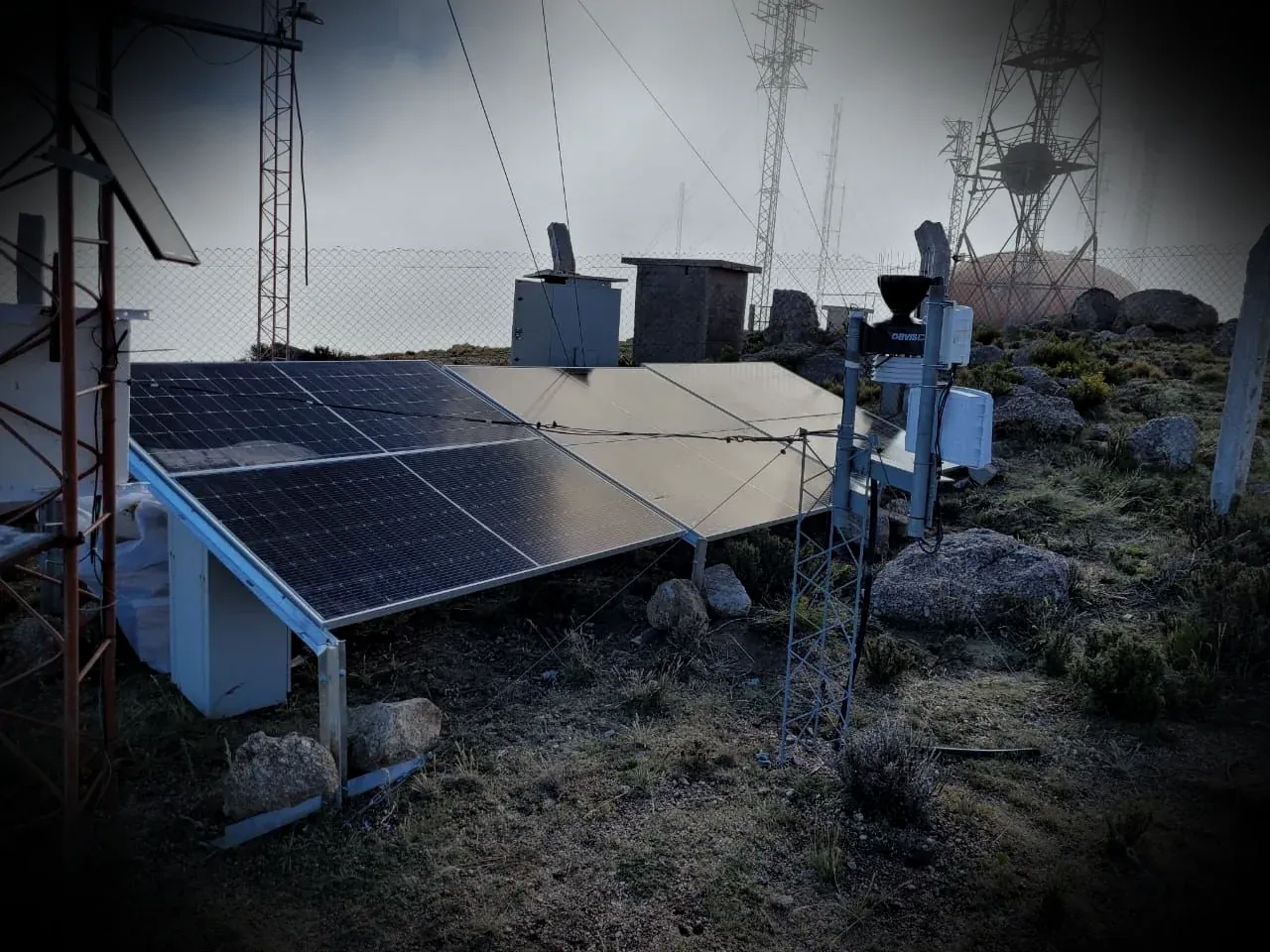
Telecommunications · autonomy
Remote sites with power, connectivity and monitoring
We assess infrastructure for isolated sites: power, backup, batteries, solar, boards, grounding, cabinets, cooling, telecommunications and telemetry. Scope is confirmed against site requirements and available resources.
Scope, resources, qualifications and schedule are confirmed following technical review of the project.
Scope and decisions
Real autonomy is calculated from load, climate, degradation and access—not from nominal power alone.
A remote site must remain available through failures, low solar resource, temperature extremes and logistics delays. Design combines load profile, storage, generation, protection, communication and maintenance strategy.
Power and backup
Boards, protection, rectification, batteries, solar, generators and DC/AC distribution.
- Energy balance
- Autonomy and degradation
- Protection and isolation
Site infrastructure
Cabinets, shelters, cooling, mounts, routes, physical security and grounding.
- Environment and condensation
- Access and enclosures
- Organisation and labels
Telecom and monitoring
Links, fibre, equipment, alarms, telemetry and variables for remote operation.
- Power status
- Temperature and access
- Alarms and communications
Method
Work sequence
Load profile
We inventory equipment, nominal consumption, peaks, simultaneity and criticality.
Site conditions
We survey climate, irradiation, temperature, dust, altitude, access and vandalism.
Architecture
We define sources, batteries, distribution, protection, grounding, telecom and monitoring.
Integration
Installation of infrastructure, cabling, equipment, cabinets and labels according to approved scope and procedures.
Testing
We simulate operating conditions, failures, alarms, autonomy and recovery.
Maintenance
We hand over plans, critical spares, inventory, settings and dossier.
Required inputs
Information required to quote without hidden assumptions
Correct inputs turn a general requirement into an executable, measurable and quotable scope.
- Location, altitude and access routes
- Equipment inventory and hourly load profile
- DC/AC voltage and quality requirements
- Target autonomy and criticality
- Climate and solar-resource data
- Battery technology and design life
- Solar, grid, generator or hybrid source
- Boards, protection and grounding
- Cabinet, shelter and cooling
- Alarms, telemetry, security and SLA
Commercial engineering
What drives price and schedule
Autonomy and storage
Target hours, depth of discharge, temperature and ageing define battery capacity.
Remote logistics
Roads, permits, altitude, weather, accommodation and maintenance frequency affect every intervention.
Redundancy and criticality
N+1 architecture, multiple sources, spares and monitoring increase availability and initial cost.
Environment and protection
Cabinets, cooling, dust, corrosion, condensation and physical security change the solution.
Acceptance
Deliverables and close-out documentation
The package is complete when the technical result and the supporting records can be accepted.
- Energy balance and autonomy basis
- Single-line and communication architecture
- Inventory and serial records
- Function and alarm protocols
- Maintenance and spare-parts plan
- Drawings, photographs and final dossier
Related services
Continue the technical journey.
Frequently asked questions
Questions that change scope, price or acceptance.
How is autonomy calculated?
From the real load profile, conversion efficiency, temperature, degradation, depth of discharge, critical days and recovery strategy.
Can solar, batteries and generator be integrated?
Yes. The mix is selected against availability, fuel, maintenance, climate, logistics and power quality.
Can remote monitoring be included?
Yes, including voltage, current, battery status, temperature, access, alarms and communications.
Do you offer SLA-based maintenance?
Yes, subject to location, access, stock, criticality, hours, permits and agreed response time.
Next step
Share the site load and target autonomy.
State location, equipment, available power, climate, access and SLA. We develop the architecture and quotation inputs.